
A child rights advocate has called for stricter enforcement of tobacco control laws in Nigeria, warning of rising substance use among young people even as insecurity continues to undermine school attendance and literacy levels across the country.
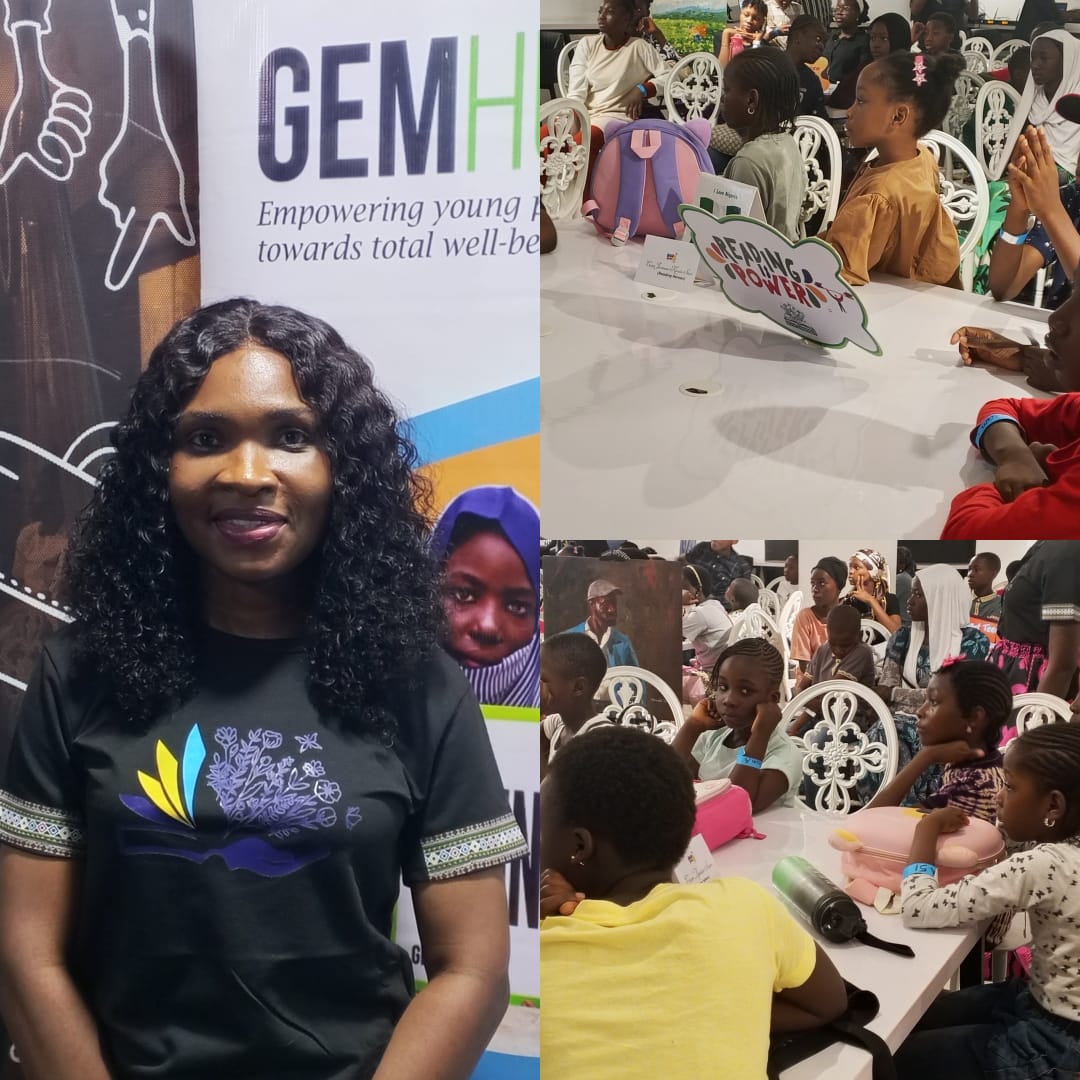
Oyeyemi Pitan, Executive Director of Gem Hub Initiative, made the call on Saturday in Abuja during the Book Hangout 2026 held to mark Children’s Day.
“There is a growing concern that young people are getting involved in substance use. We must act now rather than wait until the problem becomes more difficult and expensive to address,” she said.
She also warned that worsening insecurity, including recurring cases of kidnapping and attacks on schools, was discouraging parents from sending children to school and weakening confidence in the education system.
Pitan said declining attendance would have long-term consequences for literacy and national development.
“It’s going to discourage school attendance, and that will lead to a drop in educational levels and literacy levels. That is what we do not want,” she said.
She linked the rising number of out-of-school children to broader security risks, warning that lack of education increases vulnerability to crime and recruitment into armed groups.
“We found ourselves here because a lot of children are out of school. Most of them can be convinced to become part of banditry and other atrocities that we are experiencing right now,” she said.
The event, themed “Reading! One Language! Different Tongues!”, was organised by LaVie Readers Hub, Gem Hub Initiative and Reconcilers Children Academy, bringing together children from rural and urban communities to promote reading culture and social inclusion.
Pitan said the initiative was designed to bridge social gaps and strengthen literacy through shared learning experiences.
“We do not only focus on children from privileged families. We also reach children in rural communities and urban slums to ensure they are not left behind,” she said.
She called for stronger investment in education, school infrastructure and child protection systems, saying safe and supportive learning environments were essential for national development.
“We need children to believe in this country and contribute to its development. That can only happen when they are safe and have access to quality education,” she said.
She also urged political leaders, parents and educators to promote positive values and reorient what society celebrates, arguing that academic effort and discipline should be rewarded.
“We need to be deliberate about what we celebrate as a society. Children should see that effort, education and positive contributions are rewarded,” she said.
Despite the challenges, Pitan expressed optimism that Nigeria could improve outcomes if leaders prioritise security, education and youth development.
“If we invest in our children and provide quality education, we will build the Nigeria of our dreams. We can still get it right, but we must be deliberate about it,” she said.
Also speaking, Walshak Myalshak, a parent of participating children, said initiatives like the Book Hangout were helping to rebuild reading culture among children increasingly distracted by digital devices.
He said reduced access to school libraries and increased screen time had weakened children’s interest in reading compared to earlier generations.
Also speaking, student Nwankwo Chinazom said the programme made reading more engaging through group activities and interaction.
She said she enjoyed reading and preferred books to movies, adding that she had recently read Half of a Yellow Sun by Chimamanda Ngozi Adichie and Arms and the Man by George Bernard Shaw.
The student, who hopes to become a medical doctor and health economist, said the initiative had strengthened her reading habit and improved her English language skills.