Samsung Targets AI-Driven Factories By 2030
Samsung Electronics says it plans to transition global manufacturing into AI-driven factories by 2030, using autonomous systems that understand operational context in real time.
Solakuti desk
Technology, startups, digital policy and innovation across Africa.
Samsung Electronics says it plans to transition global manufacturing into AI-driven factories by 2030, using autonomous systems that understand operational context in real time.
IBM says it is expanding AI cybersecurity efforts as security leaders warn that frontier models are accelerating vulnerability discovery and exploitation.
Waymo says its sixth-generation autonomous driving system is entering fully autonomous operations, a step toward scaling robotaxi service to more vehicles and cities.
Tesla says Robotaxi rides are being offered in Austin, Dallas and Houston, turning its autonomy programme into a live ride-hailing service built around Model Y vehicles.
SpaceX says Starlink Direct to Cell now connects millions of users and is preparing a next-generation service designed to bring satellite-backed 5G coverage to ordinary phones.
Western Digital says its newest Ultrastar UltraSMR hard drives integrate post-quantum cryptography, pointing to a future where AI data infrastructure must prepare for quantum-era security risks.
IBM says ten years of cloud-accessible quantum computing have helped move the field from a niche research pursuit into a wider ecosystem of developers, startups and scientific partners.
IBM used Think 2026 to introduce expanded enterprise AI and hybrid cloud tools, arguing that companies must redesign operations around agents, data, automation and governance.
Samsung AI Week 2026 is being held across 58 countries, highlighting Galaxy AI, Vision AI and Bespoke AI as the company pushes intelligence across phones, TVs and appliances.
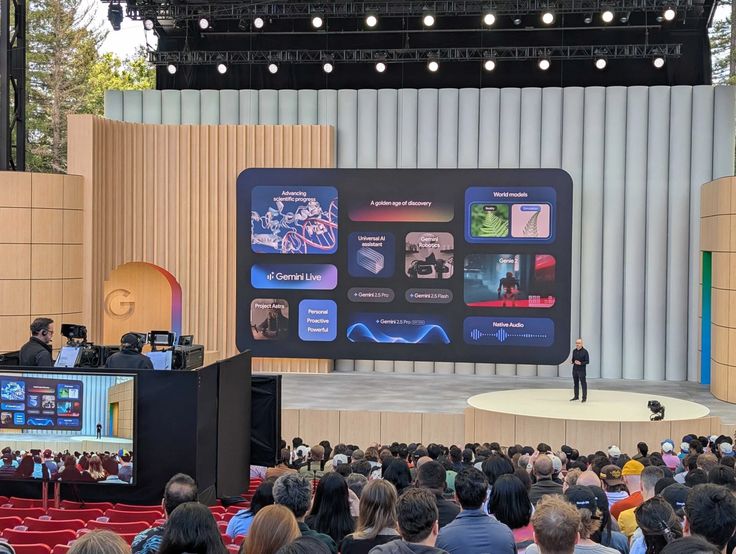
Google used I/O 2026 to introduce developer tools around Antigravity, Gemini API updates and AI Studio support aimed at moving projects from prompt to production.
Meta says AI wearables are changing how disabled users navigate the world, as smart glasses and multimodal assistants move from novelty devices toward practical assistive tools.
Amazon says Rufus has been renamed Alexa for Shopping as the company expands generative and agentic AI tools that help customers discover, compare and buy products.