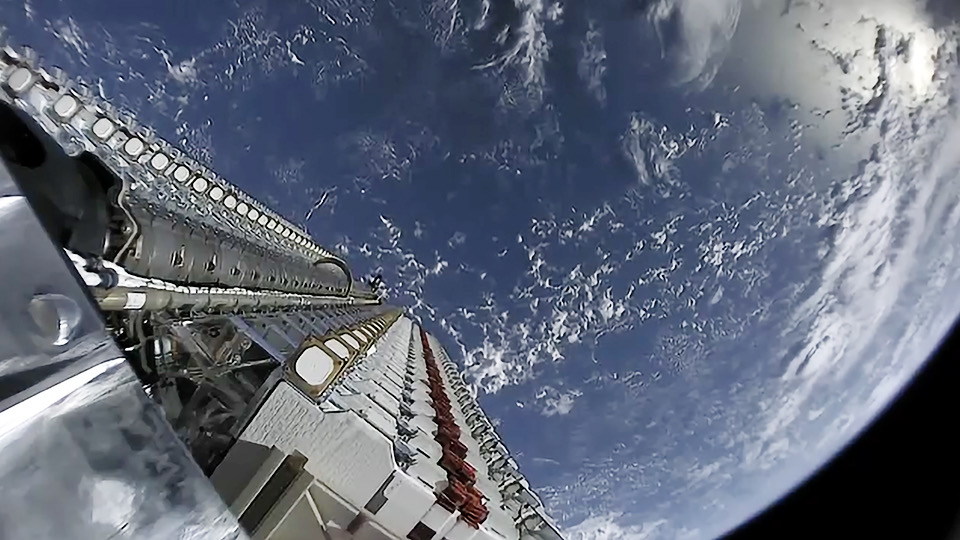
SpaceX says Starlink Direct to Cell has become the largest 4G coverage provider on the planet, connecting more than six million users through satellites that work with ordinary, unmodified mobile phones. The company says the first-generation constellation is operational across five continents.
The technology is significant because it attacks one of mobile connectivity's hardest problems: dead zones. Traditional networks depend on terrestrial towers, which are expensive or impractical in remote, mountainous, rural or disaster-hit areas. Satellites can fill coverage gaps when ground infrastructure is weak or unavailable.
Next-generation satellite mobile service
SpaceX says its next-generation Direct to Cell system will use additional spectrum, custom silicon and advanced antennas to support much higher bandwidth. The goal is to move from emergency-style texting and basic connectivity toward a broader 5G-like experience.
For African markets, the implications are large. Remote communities, maritime users, disaster-response teams and rural businesses could benefit from mobile coverage that does not depend entirely on tower economics. But pricing, regulation and partnerships with local mobile operators will decide real adoption.
Source reference: SpaceX said Starlink Direct to Cell has connected more than six million users and outlined a next-generation service with higher capacity.