In our last column, we examined the qualities Ndi Idemili should demand from anyone seeking to represent them in the House of Representatives. We argued that competence, accountability, transparency and a strong voice at the federal level should be the minimum standards, not lofty expectations. That conversation naturally leads to another important question: when does leadership really begin? Does it begin after taking the oath of office, or long before then?
For some, leadership begins with an election victory. For others, it begins the day they discover that public service is a responsibility rather than a position. The difference is easy to see. While some people wait for political office before responding to the needs of their communities, others begin serving with whatever resources they have. Public office only expands the platform they are already using.
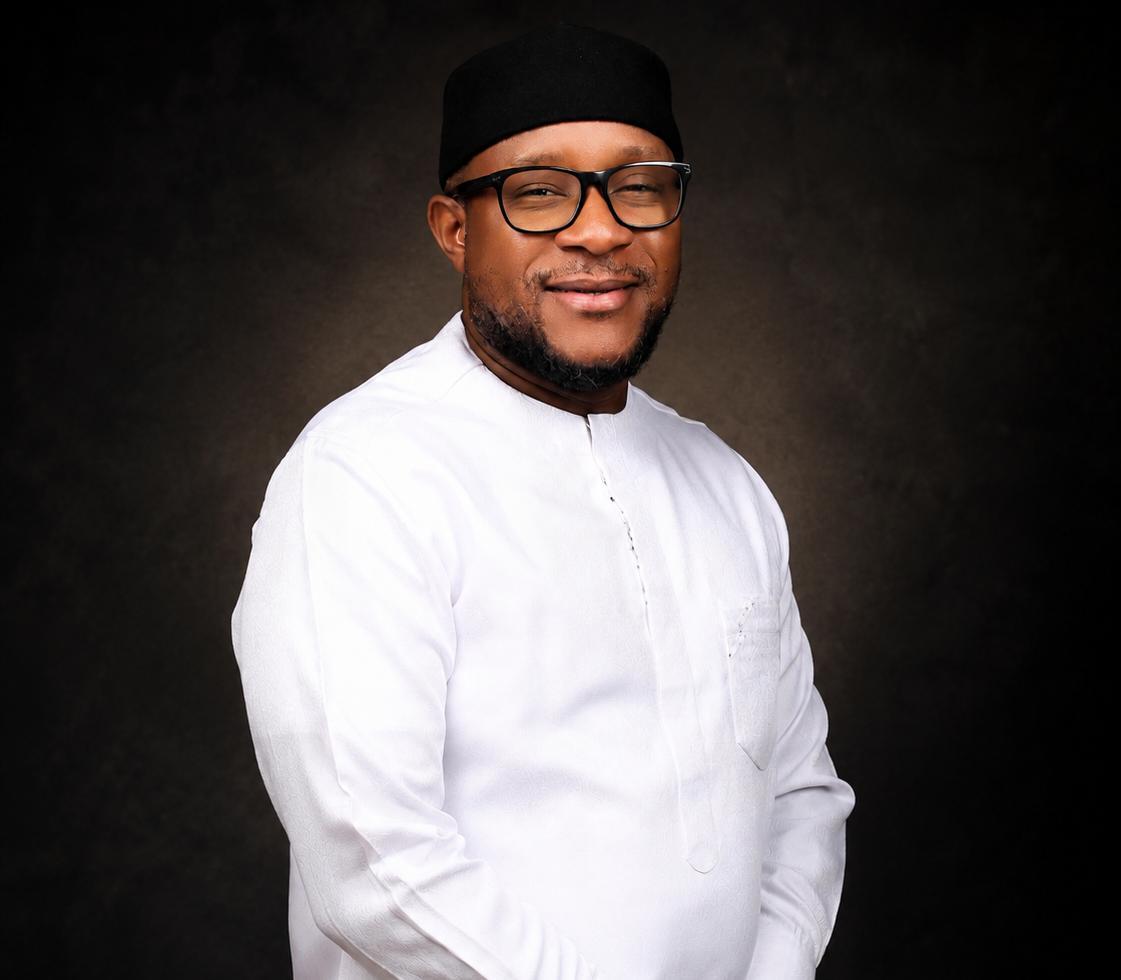
That is one reason Engr. Eric Nnamdi Anyamene continues to attract attention across Idemili North and South. Although he holds no elective office, many communities already approach him whenever they face challenges. That level of public confidence is not built overnight. It develops when people know that their concerns will be taken seriously and that genuine effort will be made to find solutions.
A recent example is the restoration of a community borehole that had left residents without access to clean water for several months. The people reached out to Engr. Anyamene, and he intervened. Before long, the borehole was working again, bringing relief to families who had endured months of hardship. In another instance, a village in Obosi was thrown into darkness after a tipper vehicle brought down a major electricity pole. Once again, the community turned to him for help. He responded, and electricity was restored.
His commitment to education tells a similar story. Across Idemili, a number of bright but indigent students are pursuing their university education through his scholarship support. Recently, one of the beneficiaries shared her first-semester result—a remarkable First Class performance. Beyond the grades was a simple message of gratitude. She acknowledged that the support she received allowed her to remain focused on her studies and pursue her dream with confidence. That is the lasting value of investing in people.
These interventions are significant for one reason: they were carried out without the authority of public office. They were driven by a sense of responsibility to the community rather than by constitutional obligation. It is therefore understandable why many people now ask what more could be achieved if such a disposition were backed by the resources and opportunities that come with elective office.
Leadership is not measured only by speeches or promises. It is measured by the willingness to respond when people are in need. It is measured by consistency, accessibility and the confidence people have in your ability to stand with them. Those qualities cannot be manufactured during an election season. They are built over time.
As the 2027 campaign gradually gains traction, Ndi Idemili will have to make an important decision. Beyond party affiliations and political rhetoric, they must consider those who have already demonstrated the habit of service. Elections do not create leaders; more often than not, they reveal them. In the case of Engr. Eric Anyamene, many believe that the leadership they seek for tomorrow is already visible today.