
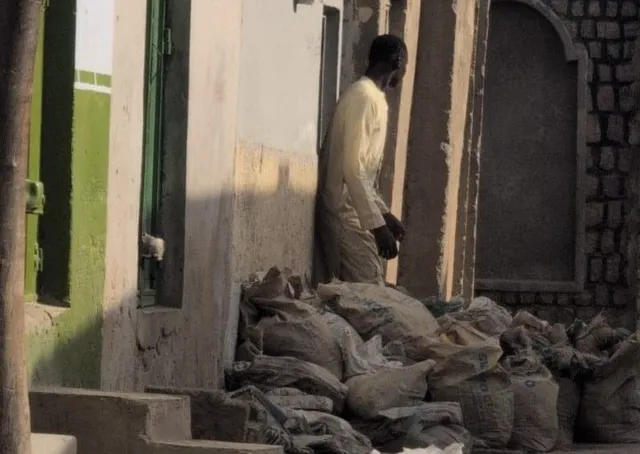
The case began after residents reported persistent foul odour from the compound to environmental authorities. According to neighbours, the situation affected daily living conditions, with repeated private appeals to stop the practice producing no lasting change.
Saidu, who works as a septic tank emptier, was accused of collecting and keeping human waste on his property. Investigators believe the material was being accumulated for possible sale to farmers who use treated human waste as fertilizer, a practice known in parts of northern Nigeria.
Officials who responded to the complaints reportedly found multiple bags of waste stored at the residence.
Before delivering judgment, Magistrate Halima Wali visited the location to verify the reports firsthand.
The court ruled that the activity posed a serious environmental and health risk. In addition to the prison term and fine, Saidu was ordered to clear all waste from the property immediately and warned against repeating the offence.
Residents said the situation had lasted for an extended period before authorities intervened. One neighbour, Samaila Inuwa, said the smell made it difficult to remain in their homes and that relief only came after enforcement action was taken.
A community leader, Musa Abdullahi, said he had previously intervened when the issue first surfaced. He noted that Saidu initially complied by removing the waste but later resumed the practice without informing residents. He added that efforts would be made to restore calm in the area after the sentence is served.