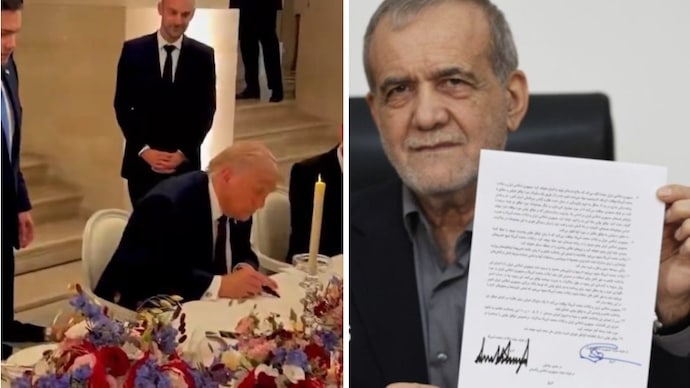
A memorandum of understanding between the United States and the Iran outlines a framework to halt military activity, reset diplomatic relations, and begin phased economic and security arrangements, according to text read to reporters by a senior US official.
The document sets out an immediate end to all military operations involving both sides and their aligned forces, including in regional theatres such as Lebanon. It commits both governments to avoid any further use or threat of force and to respect sovereignty and territorial integrity. The agreement also states that neither side will interfere in the internal affairs of the other.
Both countries are expected to enter negotiations on a final settlement within 60 days, with the possibility of extension if mutually agreed.
On military positioning, the US commits to begin lifting naval restrictions and removing operational impediments immediately after signing. A full withdrawal of such measures is expected within 30 days, with further provisions tied to the completion of a final agreement. The text also links a subsequent drawdown of US forces near Iranian territory to the conclusion of the final deal.
Maritime provisions focus on restoring commercial shipping across the Persian Gulf and the Strait of Hormuz. Iran would facilitate temporary safe passage for commercial vessels for an initial 60-day period while technical steps such as demining and route stabilisation are carried out. Tehran is also expected to engage regional states, including Oman, on longer-term arrangements for maritime administration and services in line with international law.
A central economic element of the draft is a reconstruction and development package for Iran worth at least $300 billion, to be structured with regional partners and finalised during negotiations. The United States would also authorise the necessary financial licences and waivers to enable related transactions.
The agreement further sets out a phased termination of sanctions against Iran, including unilateral US measures as well as restrictions linked to the United Nations Security Council and the International Atomic Energy Agency. It also provides for the release and use of previously frozen Iranian assets under agreed procedures.
On nuclear matters, Iran reaffirms that it will not pursue nuclear weapons. The two sides propose a mechanism for handling existing enriched materials under international supervision, including potential on-site processing under IAEA oversight. Broader issues around enrichment levels and civilian nuclear requirements are to be negotiated in the final agreement.
During the interim period, both sides agree to maintain the current status quo, with no new sanctions imposed by Washington and no additional military deployments in the region.
An implementation and monitoring mechanism will be established to oversee compliance. The final agreement, once concluded, is expected to be submitted for endorsement by a binding resolution of the United Nations Security Council.