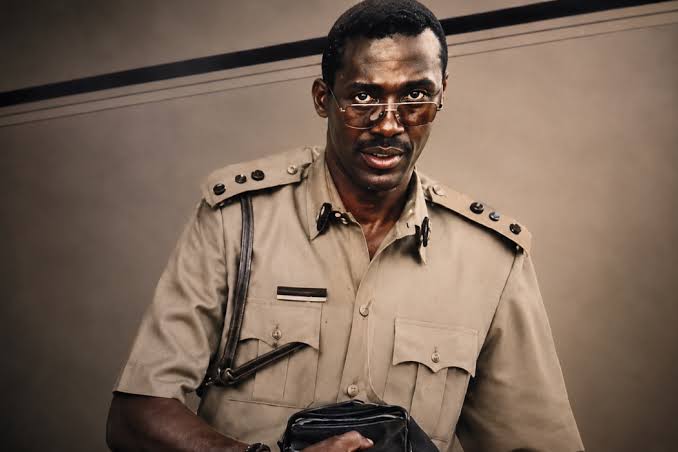
Retired Colonel Frank Omenka, a former Commander of the Directorate of Military Intelligence (DMI) Security Group, has maintained that the alleged 1995 coup plot against the late General Sani Abacha was genuine, rejecting longstanding claims that the case was fabricated to target political opponents.
Omenka made the remarks during a virtual conversation organised by The Experiential Leadership in Africa (TEL-Africa) in partnership with PREMIUM TIMES, ending decades of public silence on one of the most disputed episodes of Nigeria’s military era.
The session, titled "The Abacha Years: Obeying the Last Order and the Untold Accounts," was moderated by PREMIUM TIMES Publisher Dapo Olorunyomi, Managing Editor Idris Akinbajo, Executive Director of TheNEWS/P.M.NEWS Kunle Ajibade and TEL-Africa catalyst Adeolu Adewumi.
Speaking on his role in the investigation, Omenka said the evidence gathered at the time convinced him that there was an organised plot to overthrow the Abacha government.
"There was a coup. There was a coup, and there will always remain a coup. People keep saying there was no coup, but I investigated it. I know what I saw," he said.
According to Omenka, intelligence available to investigators pointed to the involvement of several military officers and other individuals.
He alleged that General Kazir had knowledge of the plot, while Colonel Bello Fadile was recruiting participants. He added that senior military officers were aware of developments but said many Nigerians rejected the findings because they had only heard opposing accounts.
The alleged coup led to one of the most controversial military trials in Nigeria's history. A Special Military Tribunal headed by Major General Patrick Aziza convicted several serving and retired military officers, as well as civilians.
Those convicted included former Head of State Olusegun Obasanjo, who was sentenced to life imprisonment, and the late General Shehu Musa Yar'Adua, who received a death sentence that was later commuted to life imprisonment before he died in prison in 1997.
Others convicted included Colonel Bello Fadile, Major General Tajudeen Olanrewaju, Major Seun Fadipe and several military officers.
Journalists Kunle Ajibade, Chris Anyanwu, Ben Charles Obi and George Mbah were also sentenced to life imprisonment after the military government accused them of supporting the alleged coup through their publications. They regained their freedom following Abacha's death in 1998 and the transition to civilian rule.
Over the years, many of those convicted, alongside human rights groups and successive democratic governments, have argued that the 1995 coup allegation was fabricated to silence critics of the Abacha regime.
Omenka, however, said the investigators had been unfairly judged.
"I live by the truth. That is the only prayer God hears. I carried out my responsibilities according to my training and my conscience," he said.
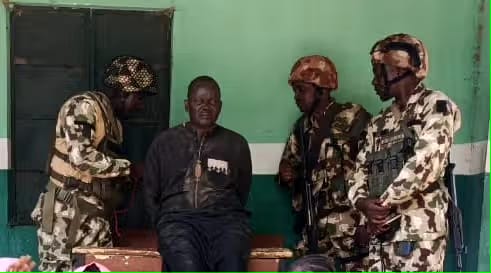
He also denied allegations that suspects were tortured during interrogation.
"There was no physical contact. There was always a table between the person being questioned and us. We talked to people, interviewed them and used different methods to get information, but we never touched anybody," he said.
Responding to questions about his absence from the Human Rights Violations Investigation Commission, also known as the Oputa Panel, Omenka said he did not appear because he had already left Nigeria after retiring from the Nigerian Army and was unaware of the commission's proceedings.
He also rejected claims that he fled the country, saying he only travelled abroad to join his children after retirement.
Reflecting on the controversy surrounding his role during the Abacha era, Omenka said he had remained silent for years while others spoke about him.
"For decades, others have spoken about me while I remained silent. Now I have spoken. People can listen, investigate, and make their own judgments," he said.