
A lawyer, Chinedu Agbodike, has filed a lawsuit against the Federal Government, challenging what he described as the "oppressive and excessive" deployment of military checkpoints across Nigeria's South-East.
The suit, filed at the Enugu State High Court on June 17, names the Chief of Army Staff, the Nigerian Army, the Attorney-General of the Federation and Minister of Justice, and the Federal Government as respondents.
Agbodike, who filed the case under the Fundamental Rights (Enforcement Procedure) Rules, 2009, said the widespread military checkpoints in Enugu, Anambra, Ebonyi, Imo, and Abia states violate the constitutional rights of residents.
According to the court filing, the lawyer alleged that personnel stationed at the checkpoints have subjected residents to harassment, extortion, arbitrary arrests, unlawful detention, torture, enforced disappearances, degrading treatment, and extrajudicial killings.
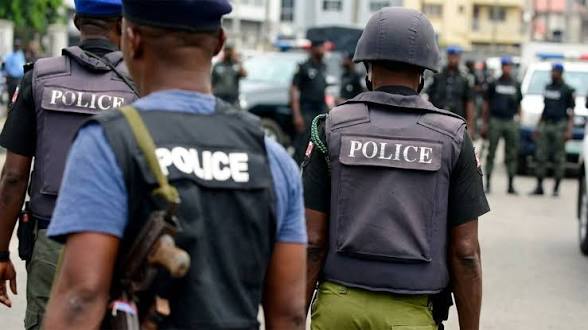
Military checkpoints have remained on major roads across the South-East for years as part of security operations targeting armed groups in the region. However, road users have repeatedly accused security personnel of extortion and intimidation, with some travellers reportedly forced to leave their vehicles and walk long distances through checkpoints.
Agbodike argued that the continued presence of the checkpoints amounts to excessive militarisation of the region and infringes on residents' rights to freedom of movement and personal liberty.
He also claimed that the military has unlawfully assumed internal policing responsibilities constitutionally assigned to the Nigeria Police Force.
Among the reliefs sought, the lawyer asked the court to declare the checkpoints unconstitutional, order their removal across the South-East, and direct the Attorney-General to establish measures for investigating and prosecuting military personnel accused of abuses at checkpoints since 2018.
He is also seeking N500 billion in exemplary, aggravated, and general damages for what he described as widespread violations of residents' fundamental rights. In addition, he wants the Federal Government to issue a public apology to South-East residents through national newspapers and television stations.
The suit further requests a perpetual injunction restraining the respondents from establishing or maintaining military checkpoints in the region except where authorised by the Constitution or an Act of the National Assembly.
The court has yet to fix a date for hearing the case.