The Federal Government has denied claims that it spent more than ₦8 trillion outside the approved 2026 budget, describing the allegation as inaccurate and unsupported by evidence.
The controversy followed comments by the International Monetary Fund (IMF) Resident Representative in Nigeria, Christian Ebeke, who said spending outside the budget in 2025 was equivalent to about two per cent of Nigeria's Gross Domestic Product (GDP). He noted that the discrepancy made the country's fiscal deficit appear smaller than its actual financing needs.
The remarks sparked criticism from opposition figures and civil society groups. Former Vice President Atiku Abubakar called on the Economic and Financial Crimes Commission (EFCC) and the Independent Corrupt Practices and Other Related Offences Commission (ICPC) to investigate the allegation, while Peter Obi urged President Bola Tinubu to resign over the claims.
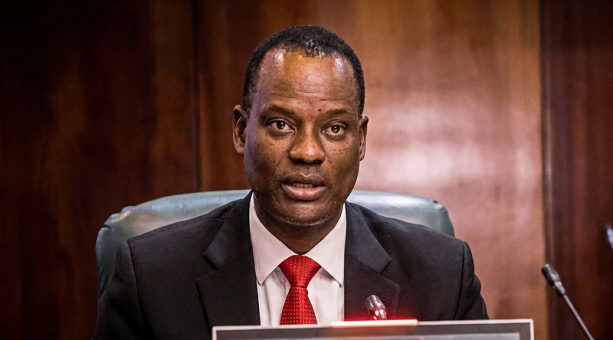
Responding in a statement on Sunday, Minister of Finance Taiwo Oyedele said reports suggesting the Federal Government operated a "shadow budget" misrepresented the IMF official's comments.
He maintained that the government does not spend public funds outside the legal framework established by the Constitution and the National Assembly.
According to Oyedele, all federal expenditure is authorised through Appropriation Acts, Supplementary Appropriation Acts and other laws passed by the National Assembly.
He also explained that some capital projects extend across multiple budget cycles and are implemented under approved rollover provisions, adding that such spending should not be interpreted as off-budget expenditure.
"It is inaccurate to suggest that trillions of naira have been secretly spent outside legislative approval," Oyedele said.
He challenged anyone making the allegation to identify specific projects allegedly executed without appropriation and provide credible evidence to support the claim.
The minister further said it was important to distinguish between budget appropriation, expenditure authorisation, financing and fiscal reporting, noting that Nigeria's public finance framework includes statutory transfers and other spending mechanisms established by law.
Oyedele reaffirmed the government's commitment to fiscal discipline, transparency and accountability, saying recent reforms had improved budget credibility, revenue administration, treasury management and the digitalisation of government financial processes.
He added that these reforms had been recognised by the IMF, other multilateral institutions, international credit rating agencies and investors.
The Federal Government said public scrutiny of its finances is welcome but stressed that debate should be based on verifiable facts and an accurate understanding of the country's fiscal and constitutional framework.