
Nigeria's Department of State Services (DSS) has opposed provisions in a proposed law that would allow foreign organisations to fund its operations, warning that such arrangements could compromise national security and intelligence activities.
The position was presented during a public hearing organised by the House of Representatives Committee on National Security and Intelligence on three security-related bills aimed at strengthening the agency through sustainable funding, intelligence training and research.
While endorsing the proposed Department of State Services Trust Fund Bill, the DSS called for amendments to remove provisions allowing grants, donations and endowments from international organisations.
Representing the agency, Emmanuel Daubry said foreign funding could expose sensitive intelligence operations to external influence. According to the DSS, international donors often require reporting and disclosure obligations that may reveal intelligence methods, procurement processes and operational strategies.
The agency also argued that foreign donors could influence Nigeria's security priorities in ways that do not reflect the country's challenges, including terrorism, banditry and kidnapping. It recommended that donations and grants be limited to local organisations.
Beyond funding, the DSS requested greater clarity on how the Trust Fund would be financed. It said the bill gives the National Assembly broad discretion to determine annual contributions without specifying clear funding formulas for the federal and state governments. The agency proposed fixed percentages or defined contribution formulas to ensure predictable funding.
The DSS also suggested changes to the composition of the proposed governing board. It opposed the inclusion of the Nigeria Governors' Forum, arguing that it is a voluntary association rather than a statutory body. Instead, it proposed that the Nigerian Bar Association nominate a representative with expertise in national security and human rights.
The agency further recommended that the board secretary be appointed by the President and be a serving or retired DSS officer of at least Assistant Director rank who is also a legal practitioner with a minimum of 10 years post-call experience. It also proposed provisions allowing the President to remove board members for misconduct, incompetence or inability to perform their duties.
Although it raised several concerns, the DSS urged lawmakers to pass the bill, describing it as an important step toward providing stable funding for intelligence gathering, counter-terrorism operations and emergency security responses.
The agency also questioned the proposed Strategic Intelligence Management Institute, arguing that it could duplicate the functions of the National Institute for Security Studies. It recommended that the institute instead focus on external intelligence, foreign intelligence operations and international intelligence cooperation.
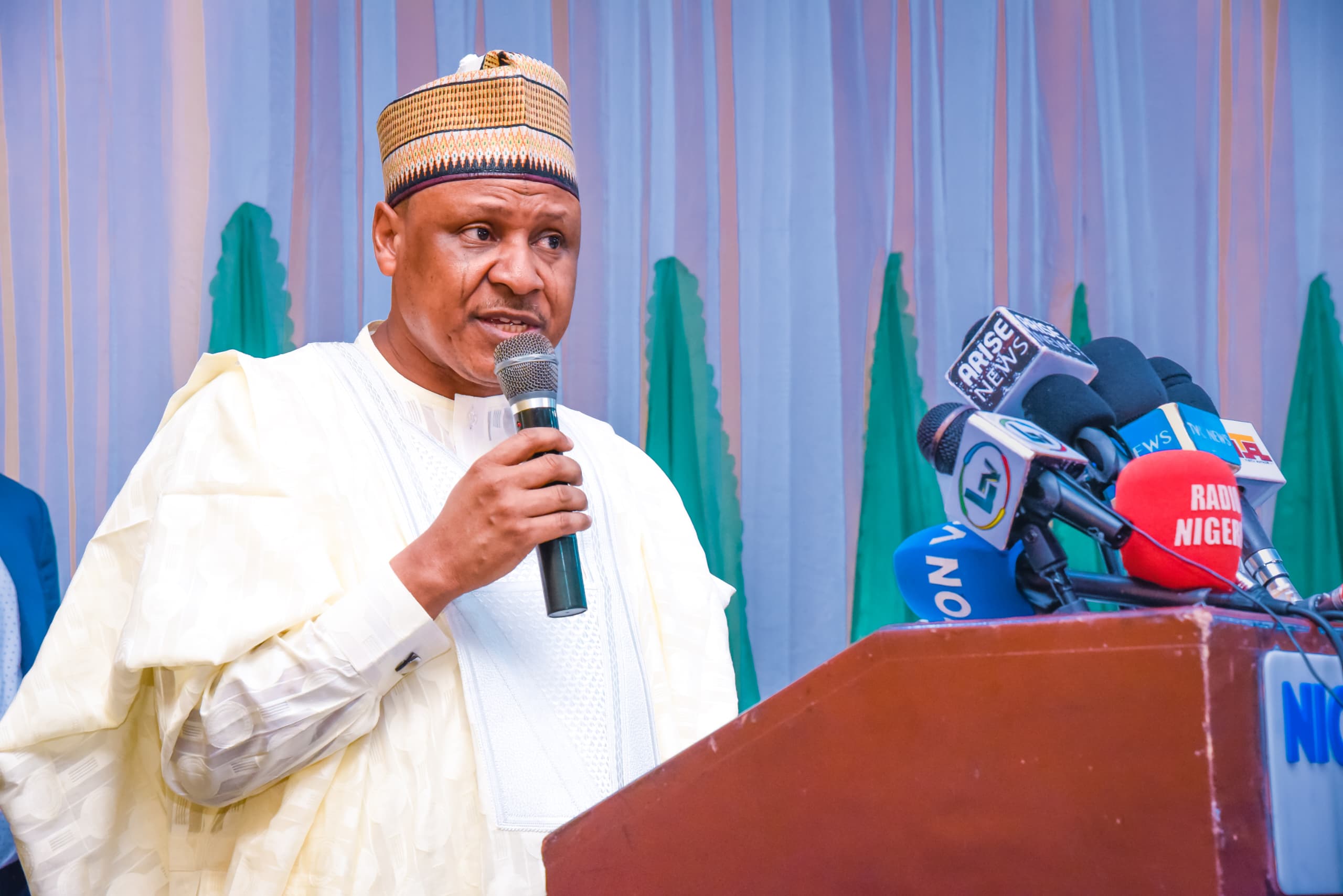
At the hearing, Speaker of the House of Representatives Abbas Tajudeen called for sustained investment in intelligence gathering, research, innovation and personnel development. Represented by House Leader Julius Ihonvbere, the Speaker said Nigeria's security challenges require technology-driven responses backed by consistent funding and modern operational resources.
Meanwhile, the Nigeria Governors' Forum continued consultations on the proposed establishment of state police. After meeting in Abuja, the governors said any state policing framework must be backed by constitutional amendments, protect citizens' rights and align with the principles of federalism.
The governors disclosed that state Attorneys-General have continued consultations on the constitutional and operational framework for state police. They expressed confidence that the process would strengthen efforts to implement one of Nigeria's most significant security reforms since the return to democratic rule.