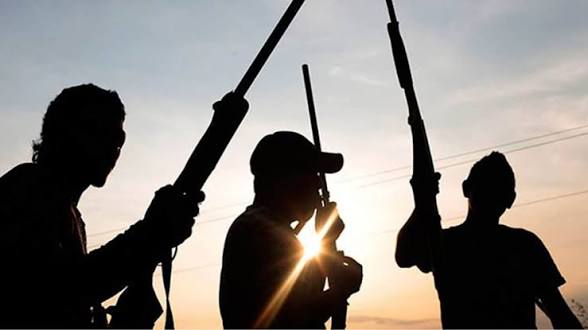
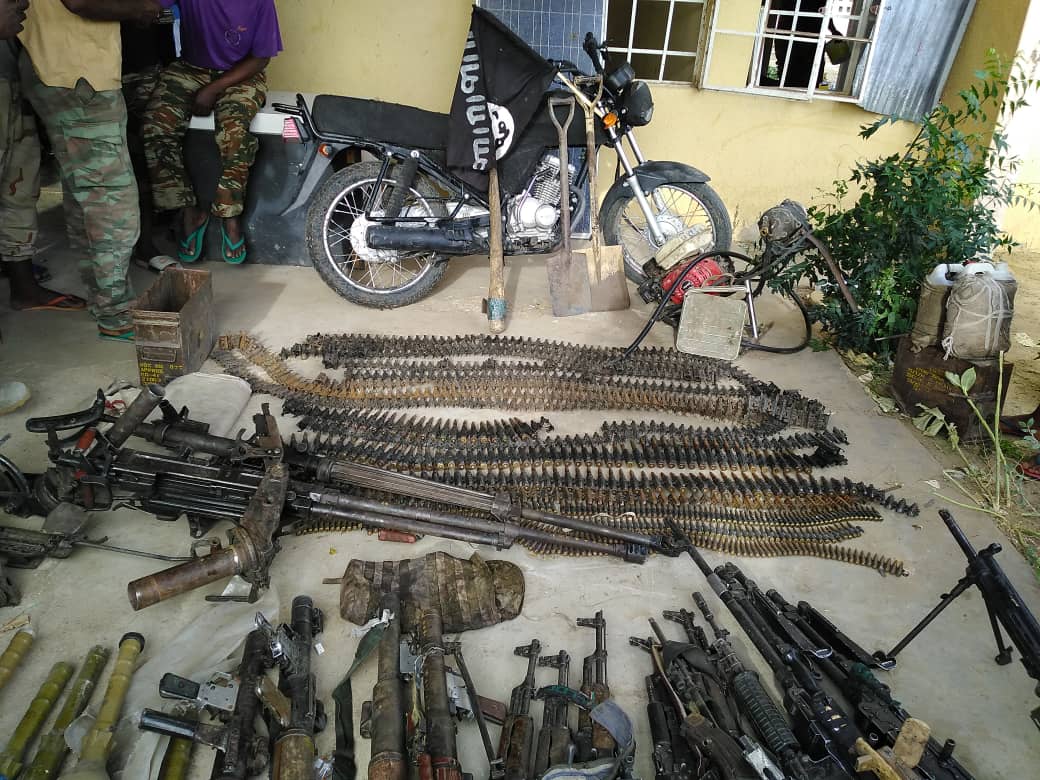
The United Nations has said that weapons looted during Libya’s 2011 conflict have continued to circulate across the Sahel and are now being used by extremist groups in Nigeria.
The disclosure was made on Tuesday in New York by Izumi Nakamitsu, the UN Under-Secretary-General and High Representative for Disarmament Affairs, during a meeting focused on the global spread of illegal firearms.
Nakamitsu said arms taken during and after the fall of Libya’s former leader, Muammar Gaddafi, did not remain within the country but spread across borders into Niger, Burkina Faso, and Nigeria.
According to her, some of these weapons later appeared in the possession of armed extremist groups operating in the region, showing how conflict-related arms can continue to shape insecurity long after wars end.
“The end of the conflict does not mean the end of the circulation of those weapons,” she said, noting that illicit arms often remain in use for years after hostilities stop.
She added that weapons retained by armed groups, militias, or civilians for protection can deepen instability and contribute to renewed violence.
Nakamitsu also linked illicit arms flows to wider consequences, including human rights violations, terrorism, and gender-based violence. She stressed that the issue extends beyond security concerns to include development and peacebuilding challenges.
“Wars end, but the weapons used in that conflict do not disappear,” she said, adding that they often cross borders, are concealed, and continue to circulate in illegal markets.
The UN official also pointed to emerging risks such as 3D-printed firearms, ghost guns, and more complex trafficking networks, which make detection and tracing more difficult, especially when weapons are dismantled and moved in parts.
She recalled that UN member states adopted a global action programme in 2001 to strengthen laws on small arms control, improve storage systems, and curb illegal arms trafficking. This was followed in 2005 by an international tracing framework designed to help track the origin and movement of illicit weapons.
The United Nations says it continues to support countries through technical assistance, training, and systems aimed at improving stockpile management and border monitoring.
The statement comes amid ongoing concerns over the flow of small arms in parts of sub-Saharan Africa, where insecurity and armed violence remain persistent challenges.