
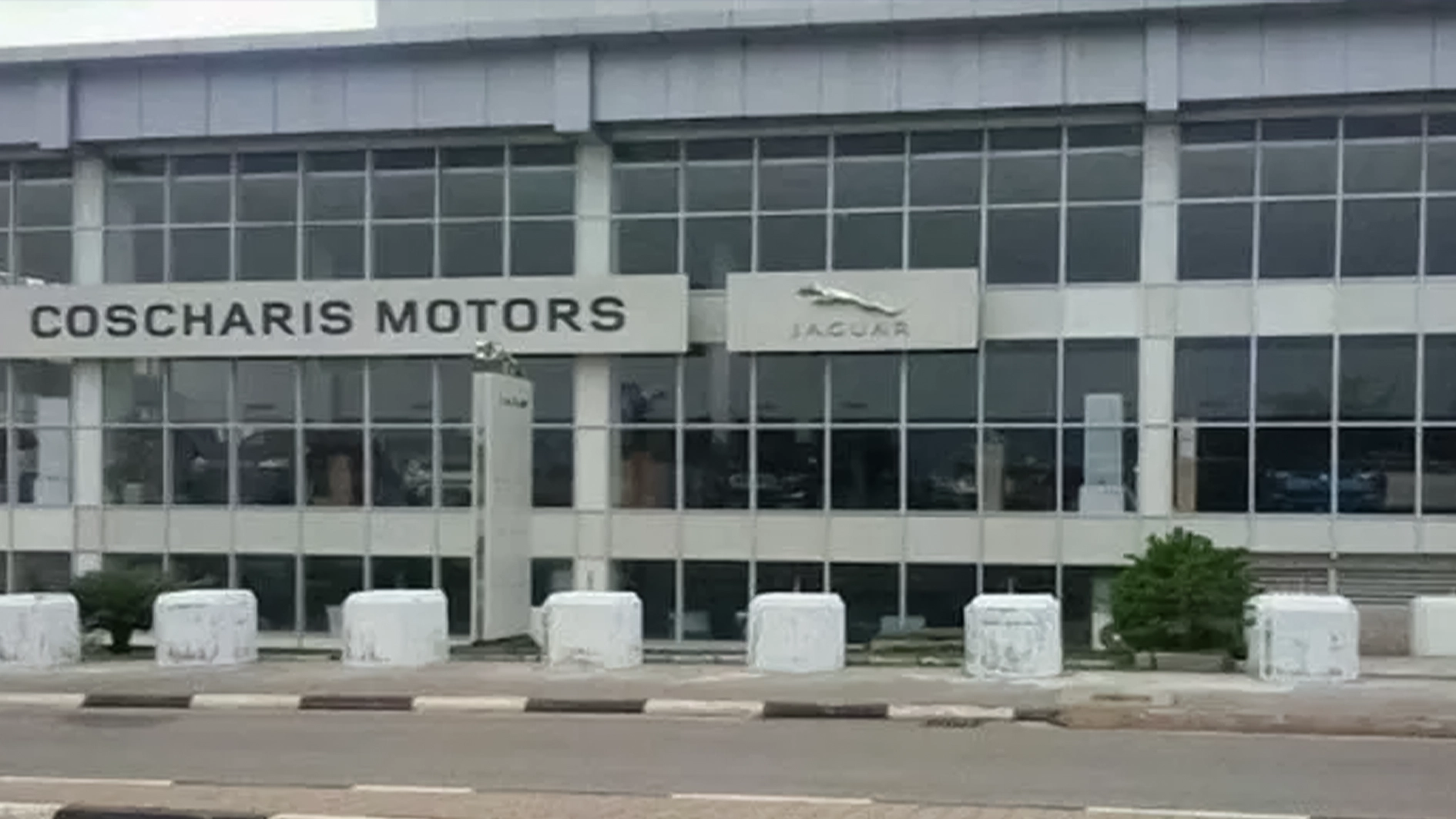
Justice Emeka Nwite delivered the ruling after reviewing an application brought by Florence Ozor, who accused the dealer of supplying a faulty 2024 Range Rover Sport and failing to provide an adequate remedy despite regulatory intervention.
The case stems from a transaction in September 2024, when Ozor purchased a 2024 Range Rover Sport valued at about ₦260 million from Coscharis Motors. She began using the vehicle in November 2024, but within months reported recurring faults, including issues affecting the right taillight. According to filings referenced by the regulator, repeated repairs did not resolve the defects.
Ozor escalated the complaint to the Federal Competition and Consumer Protection Commission, alleging breach of consumer protection standards under the Federal Competition and Consumer Protection Act, 2018.
After initial correspondence and a mediation session in August 2025, the parties explored settlement options that included repair with extended warranty, replacement with shared cost differences, or refund of the purchase price. The complainant rejected a refund and insisted on a replacement at no additional cost.
Following its assessment, the commission concluded that the vehicle supplied did not meet expected standards and issued a compliance directive in September 2025. The order required Coscharis Motors to either provide a replacement 2024 model at no extra cost under a trial period, issue a refund if defects persisted, or supply a 2025 model subject to payment of the price difference. The dealer was given 14 business days to comply.
When the deadline elapsed, the dealer did not implement the directive. Court documents indicate that instead of full compliance, further engagement occurred without the complainant’s agreement, while the vehicle remained in the custody of the dealer.
Ozor returned to the court seeking an order compelling enforcement of the commission’s directive. Counsel to the commission argued that the case was premature and should not proceed.
In his judgment, Justice Nwite held that the regulator had a legal duty to enforce its own binding orders once non-compliance was established. He granted an order of mandamus directing the commission to activate its statutory enforcement powers under the law.
The court further stated that regulatory directives remain valid unless set aside by a court or formally discharged through compliance procedures.
Justice Nwite also authorized the commission to proceed with enforcement measures, including administrative sanctions and possible closure of the dealer’s premises, until the directive is obeyed in full.